Sector rotation is an active strategy that shifts exposure among sectors—like Banks, IT, Pharma, and Auto based on where...
Sector Rotation Strategy Explained

October 31, 2025
Sector rotation is an active strategy that shifts exposure among sectors—like Banks, IT, Pharma, and Auto based on where...
Short answer: Portfolio rebalancing is the periodic act of bringing your investments back to their target mix (say 60% e...
Quick take (≤60 words):The Union Budget 2025 targets a 4.4% fiscal deficit, sets ₹11.21 lakh crore capex (3.1% of GDP), ...
Short-term capital loss (STCL) can be set off against both STCG and LTCG; long-term capital loss (LTCL) can be set off o...
Learn when trend-following vs mean-reversion works in Indian markets, with rules, filters, examples (Nifty/Bank Nifty), ...
The ETFs that most frequently top NSE volumes and turnover include SBI Nifty 50 ETF (SETFNIF50), Nippon Nifty 50 BeES (N...
Quick answer (60-word summary): Smart Beta funds are rules-based index funds/ETFs that tilt portfolios toward factors su...
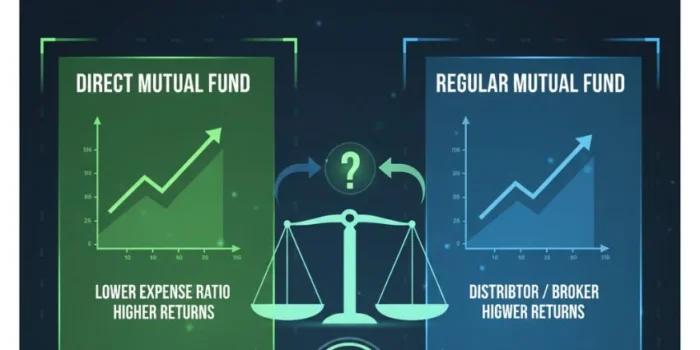
Direct and Regular are just two ways to buy the same mutual fund. Direct plans skip distributor commissions, keep the ex...